Recycling and Sustainability for Gardening Hendon
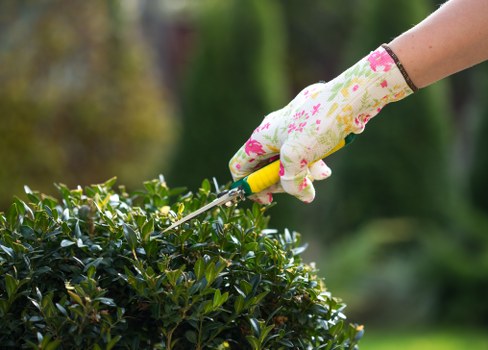 At Gardening Hendon we put eco-friendly waste disposal area practices at the heart of every project. Our approach to a sustainable rubbish gardening area blends practical on-site separation with community-level initiatives that reduce landfill and return organic matter to the soil. We set clear targets so teams and residents know what success looks like: a measurable increase in reuse and recycling, and a reduced carbon footprint from material handling and transport.
We are committed to a bold recycling percentage target: 65% overall recycling and reuse by 2028. This target covers green waste, wood, metals, plastic plant containers, and soil that can be remediated or re-used. To reach it we audit waste streams on garden clearance and maintenance jobs, increase segregation at source, and prioritise repair, donation and composting before any material is considered for disposal.
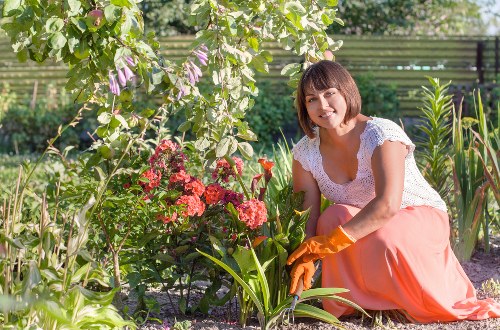 Our eco disposal area strategy aligns with the borough's approach to waste separation — many local boroughs, including Barnet and neighbouring councils, encourage distinct streams for food, garden, recyclables and residual waste. Gardening Hendon enhances that approach on-site by providing labelled sorting stations, separate bins for green waste and general refuse, and clear signage so crew and clients can follow the correct flow.
We maintain strong links with local transfer stations and recycling hubs to ensure material flows efficiently from garden to recovery. Typical facilities we work with include council transfer stations in Barnet and nearby municipal sites in Brent and Camden, as well as private composting depots for woody material. Using local transfer stations reduces haulage distances and keeps emissions lower — a key part of our low-emission sustainable rubbish gardening area model.
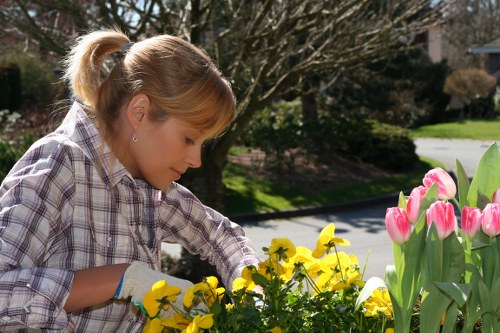 Partnerships with charities and not-for-profits are central to our reuse-first policy. We regularly coordinate donations of usable tools, planters and soil improvers to community groups and charities such as local food-growing projects and social enterprises. These collaborations support circular use of resources and ensure that items that are still useful avoid landfill: repairing or redistributing equipment is often far more carbon-efficient than recycling or replacement.
Operational changes also help cut emissions: our vehicle fleet increasingly uses low-carbon vans, including electric vans and modern Euro-6 engines where electrics are not yet feasible. We optimise routes to transfer stations and charities, run load-matching to reduce empty trips, and schedule jobs to create efficient multi-drop runs that keep total mileage down. This transport strategy supports our overall aim of a greener garden waste recycling hub.
To support practical on-the-ground recycling, our crews are trained in best-practice separation: wood is chipped and either composted or used for biomass, soft green waste is turned into compost, and plastics and rigid containers are rinsed and separated for local dry recycling. We also operate a small on-site composting area where kitchen-safe green waste and garden clippings become usable compost for landscaping projects, reducing the need for imported soil improver.
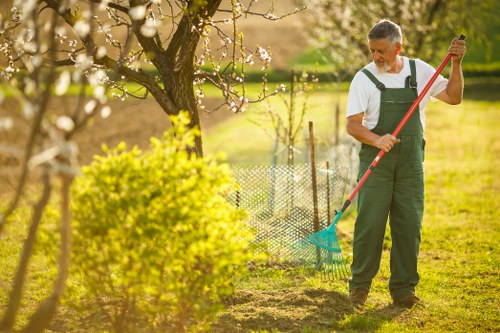 Collaboration with community groups extends our impact: we organise joint clear-up days with residents and local environmental groups, and we donate reclaimed soil, stone and timber to community allotments and greenspace projects. Working with charities and social enterprises ensures that materials continue to create value — building stronger local networks for sustainable rubbish gardening initiatives.
 Our sustainability programme includes clear, measurable steps and public reporting. We track kilogrammes diverted from landfill, volumes of compost created, and the number of items diverted to charity or reuse. We also monitor vehicle emissions to verify that our low-carbon vans deliver the emissions reductions we expect. Regular internal reviews help us refine tactics: increasing on-site segregation, improving client education, and expanding charitable partnerships are among the priorities that came from recent audits.
Practical Recycling Actions You’ll See in Hendon Gardens
- On-site separation into wood, green waste, soil, recyclables and residuals.
- Donations of usable equipment to community groups and local charities.
- Composting of green waste into soil conditioner used in future projects.
- Use of low-carbon vans and route optimisation to cut transport emissions.
- Coordination with local transfer stations to ensure correct onward processing.
Why this matters: community, climate and soil
Gardening Hendon's sustainable rubbish gardening area is about more than compliance. It’s a way to support local food growing, retain nutrients in urban soils, and reduce GHG emissions from the garden-to-disposal lifecycle. By combining a clear recycling percentage target, partnerships with charities, practical on-site separation aligned to the boroughs' waste separation approach, and a low-emission vehicle strategy, we create a resilient, circular system for garden materials.
Get involved by choosing projects that prioritise reuse and asking about our recycling practices when you book landscaping or clearance work. Together we can turn garden waste into an asset for Hendon — greener streets, richer soil and fewer emissions.