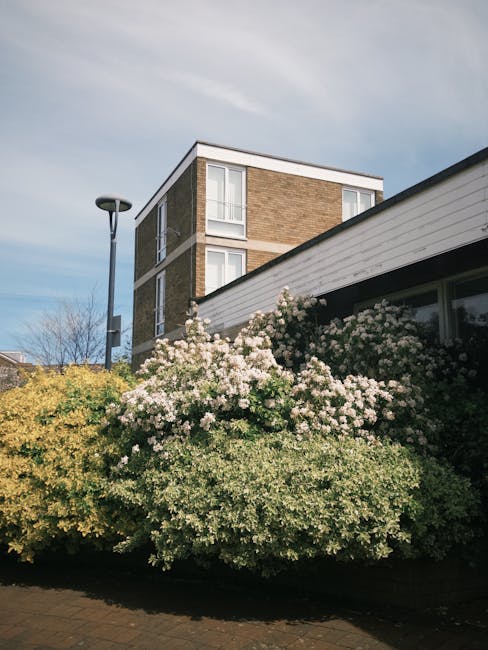
Garden maintenance for NW4 flats on The Burroughs
Flat living on The Burroughs can be a lovely balance of convenience and greenery, but shared outdoor spaces have a habit of slipping from "pleasant" to "patchy" faster than people expect. Garden maintenance for NW4 flats on The Burroughs is really about keeping communal and private outdoor areas neat, safe, usable, and fair for everyone involved. That means the grass gets cut when it should, borders do not turn into a tangle, and seasonal jobs are handled before they become bigger, messier problems.
If you manage a block, own a flat with shared grounds, or simply want the front garden to stop looking like a half-finished weekend project, this guide walks through the practical side of maintenance in a local London setting. We will look at how it works, what matters most, and how to choose a sensible approach without overcomplicating it. And yes, the little details matter more than people think.
Table of Contents
- Why Garden maintenance for NW4 flats on The Burroughs Matters
- How Garden maintenance for NW4 flats on The Burroughs Works
- Key Benefits and Practical Advantages
- Who This Is For and When It Makes Sense
- Step-by-Step Guidance
- Expert Tips for Better Results
- Common Mistakes to Avoid
- Tools, Resources and Recommendations
- Law, Compliance, Standards, or Best Practice
- Options, Methods, or Comparison Table
- Case Study or Real-World Example
- Practical Checklist
- Conclusion
- Frequently Asked Questions
Why Garden maintenance for NW4 flats on The Burroughs Matters
The Burroughs sits in a part of north-west London where outdoor space is valuable, visible, and often shared. That combination changes everything. In a flat, a garden is rarely just "a garden"; it may be a communal front area, a small rear courtyard, a strip of lawn beside a block, or a planted space that everyone is meant to enjoy but nobody wants to be the first to water. If maintenance slips, the whole property can start to feel neglected, even if the inside is spotless.
Good garden care does more than improve appearance. It helps reduce trip hazards, keeps pathways clear, discourages pests, and protects planting from simple wear and tear. For blocks with residents coming and going all day, that practical side really matters. A tidy entrance feels calmer. It makes the building look cared for. It can even reduce neighbour disputes about who is responsible for what. Truth be told, a lot of tension in shared housing starts with something as ordinary as an overgrown hedge.
There is also a value angle. People notice external presentation quickly, especially in London. A well-kept front garden or shared space creates a better first impression for visitors, letting agents, prospective buyers, and residents themselves. That is not vanity; it is part of keeping a property functioning well over time.
Practical takeaway: in flat settings, maintenance is not just about cutting back plants. It is about keeping shared outdoor space usable, safe, and easy to manage before minor issues become awkward ones.
How Garden maintenance for NW4 flats on The Burroughs Works
In most NW4 flat settings, garden maintenance is planned as a repeat service rather than a one-off tidy-up. That might sound obvious, but it is the difference between a garden that stays under control and one that goes from manageable to scruffy between visits. Regular attention keeps growth predictable, which in London's milder but still very changeable climate is half the battle.
A typical maintenance plan usually starts with a walkthrough. The gardener or property contact checks the size of the space, what is planted, which areas are shared, and what needs doing first. For flats on The Burroughs, that often includes front lawns, hedge trimming, weed control, leaf clearance, pruning, bin-store edging, and keeping access paths safe and clear. If there are pots, raised beds, or communal planting, those need a separate level of care because they can't be treated like a standard lawn.
The work itself may happen weekly, fortnightly, monthly, or seasonally depending on the garden's growth rate and the number of residents using it. A small paved courtyard will need less frequent attention than a communal lawn with borders and shrubs. But even small spaces can become a problem if nobody is keeping an eye on weeds, moss, or drainage. A damp autumn corner can turn into a slippery patch pretty quickly.
For a well-run setup, you want the maintenance plan to be specific. Not "general tidy-up" in vague terms. Better to say exactly what gets done, how often, and who signs off on the result. That simple clarity saves arguments later.
Many residents also prefer a provider that can coordinate related services through a broader services overview, especially when the outdoor area needs a mix of lawn care, pruning, jetting, and seasonal work. If budgets are being reviewed, it is sensible to check pricing and quotes early rather than guessing.
Key Benefits and Practical Advantages
The obvious benefit is a neat-looking outdoor space. But the better reason to maintain gardens around flats is that it keeps everyday life easier. Little jobs stay little. Residents are less likely to complain. The building looks more settled. And the space is more likely to be used properly rather than ignored.
- Better curb appeal: a tidy shared garden makes the building feel cared for from the street.
- Safer access: regular clearance helps reduce slippery paths, loose clippings, and blocked walkways.
- Healthier planting: pruning, feeding, and seasonal care help shrubs and beds recover rather than decline.
- Lower long-term cost: routine care usually costs less than rescue work after months of neglect.
- Less resident friction: clear upkeep standards reduce complaints about responsibility and appearance.
- Better use of space: a maintained garden is more likely to be enjoyed, not avoided.
There is also a practical psychological benefit. People look out of their windows and see order instead of mess. That sounds small, but in a flat building it can shape how people feel about their home every day. In our experience, even one properly maintained border can change the whole tone of a shared entrance.
Who This Is For and When It Makes Sense
Garden maintenance for NW4 flats on The Burroughs is relevant to a few different types of people, and each has different priorities. A resident in a ground-floor flat may care most about privacy and mess. A freeholder or landlord may be thinking about presentation and duty of care. A managing agent may just want a reliable schedule that does not generate complaints every other month.
This kind of maintenance makes sense when:
- your flat has a communal front garden or shared rear space;
- the area is starting to look untidy between visits;
- residents keep raising the same garden-related issues;
- you want seasonal work handled before it becomes urgent;
- you need a clear, repeatable service instead of ad hoc help;
- the garden includes planting that benefits from skilled pruning rather than random cutting.
It can also be a good fit if the building has a "mixed responsibility" setup. That's where no one quite knows whether the landlord, residents, or managing agent is supposed to handle the garden. Honestly, that situation is more common than people think. A proper maintenance arrangement removes the guesswork.
If you are still figuring out who the provider is and what standards they work to, a page like about us can help give a sense of approach, while health and safety policy and insurance and safety are useful when you need reassurance for shared premises.
Step-by-Step Guidance
If you are planning maintenance for a flat garden on The Burroughs, the cleanest way to handle it is to work through it in stages. No drama. No overthinking. Just a practical sequence that keeps people aligned and the space under control.
- Assess the space properly. Identify lawn, borders, planters, hard surfaces, access routes, and any awkward corners that collect weeds or debris.
- Decide who is responsible. In flats, responsibility may sit with residents, a landlord, a freeholder, or a managing agent. Get that clear at the start.
- Set the frequency. Weekly, fortnightly, monthly, or seasonal care should match how quickly the garden grows and how much foot traffic it gets.
- Define the scope. Be specific about mowing, edging, pruning, leaf clearance, weed removal, hedge trimming, waste removal, and watering.
- Agree on access and timing. Shared properties need sensible visit windows so residents are not disrupted.
- Build in seasonal tasks. Spring clear-ups, summer growth control, autumn leaf management, and winter tidy work all matter.
- Review the results. A quick check after each visit helps catch anything missed and keeps the standard consistent.
One small but useful tip: take a couple of photos before the first visit and after the first proper tidy. That gives everyone a clear baseline. It sounds obvious, but people remember the garden differently once time passes. A photo stops the "it looked better before" conversation before it gets started.
For residents wanting a straightforward next step, a focused enquiry through contact us is often the fastest way to get the process moving without a dozen back-and-forth messages.
Expert Tips for Better Results
Good garden maintenance is partly about effort and partly about timing. The timing is where many flat gardens go wrong. They are either left too long, or they get treated like a quick tidy rather than an ongoing system.
1. Think in seasons, not just visits
Spring growth, summer watering needs, autumn leaf drop, and winter clearance each ask for something slightly different. A generic approach works for a while, then the garden starts fighting back. Nature is rude like that.
2. Prioritise edges and access points
If time is limited, focus on paths, entrances, steps, and the bits people see first. Those areas shape the whole impression. Clean lines at the front do a lot of heavy lifting.
3. Avoid cutting everything to the same height
Flat gardens often look bland when all texture is removed. Keep structure in shrubs and planting where possible. A little shape in the space makes it feel cared for, not scorched.
4. Use waste handling sensibly
Garden waste can pile up fast in shared buildings. Check in advance whether clippings and branches are removed after each visit or stored for collection. If sustainability matters to the building, a provider with a clear recycling and sustainability approach is worth considering.
5. Keep residents informed
A short notice about planned visits, hedge work, or leaf clearance can prevent a lot of confusion. People are usually fine with disruption if they know it is coming. Surprise is what irritates people.
And one more thing: do not let perfection become the enemy of maintenance. A garden that is consistently decent is far better than one that gets one heroic makeover every six months.
Common Mistakes to Avoid
Flat gardens fail in predictable ways. The problems are usually boring, which is almost comforting, because boring problems are fixable.
- Leaving jobs too long: delayed mowing or pruning makes each visit harder and more expensive.
- Being vague about responsibility: "someone will sort it" is not a plan.
- Ignoring drainage and damp areas: wet corners quickly become weed patches or slippery surfaces.
- Over-pruning shrubs: hard cutting at the wrong time can damage the shape and future growth.
- Using the wrong service level: a small courtyard does not need the same schedule as a larger communal lawn, and vice versa.
- Forgetting waste removal: neat work loses impact if clippings are left behind.
- Skipping seasonal checks: one heavy autumn leaf fall can undo months of tidy upkeep.
A common one in shared buildings is treating the garden like a private hobby plot instead of part of a communal property. That can lead to mixed expectations, uneven standards, and a slightly awkward silence in the hallway. Better to write the brief clearly and keep it consistent.
Tools, Resources and Recommendations
You do not need a huge kit to maintain a flat garden well, but the right tools make a noticeable difference. For smaller urban gardens on The Burroughs, the best approach is usually quiet, efficient, and tidy rather than overcomplicated.
| Task | Useful tool or approach | Why it helps in flat gardens |
|---|---|---|
| Lawn care | Light, regular mowing | Keeps grass manageable and avoids heavy cut-back jobs |
| Border maintenance | Hand tools for selective pruning and weeding | Reduces damage to planted areas and protects structure |
| Leaf clearance | Rake, blower, or manual collection depending on setting | Prevents blocked paths and slippery surfaces |
| Shared access areas | Regular inspection and spot cleaning | Improves safety and first impressions |
| Waste handling | Scheduled removal or agreed collection method | Stops piles of debris building up between visits |
From a service viewpoint, it is worth choosing a provider that can explain scope clearly, respond sensibly to changes, and offer a transparent payment process. That is where pages like payment and security and terms and conditions become genuinely useful, not just legal housekeeping. You should know what is included and what is not.
For residents or managing agents who value service standards and accessibility, it can also help to know that the company has straightforward public information such as an accessibility statement and a clear complaints procedure. Not glamorous, no. Still important.
Law, Compliance, Standards, or Best Practice
Garden maintenance for flats does not usually involve complicated regulation, but there are still sensible standards to follow. Shared properties especially need care around safety, access, and communication. If workers are entering communal land, using tools, or moving waste, the setup should be safe and organised.
In practical terms, best practice includes:
- keeping walkways and fire-access routes clear where applicable;
- not leaving tools, debris, or cords where residents could trip;
- using suitable personal protective equipment for the job;
- handling waste responsibly;
- agreeing access arrangements in advance;
- making sure any contractor has appropriate insurance for the work they are doing.
If you are commissioning maintenance for a block, safety and liability are not just paperwork. They are part of a sensible, professional arrangement. The provider should be able to speak plainly about their safeguards, which is why references to health and safety policy and insurance and safety matter in real life. It is the sort of thing that feels dull until it suddenly is not.
There is also a good-faith expectation in shared living: if the garden is communal, maintenance should be carried out in a way that respects residents, neighbours, and the property itself. No rushing through with a heavy hand. No cutting back everything because it is easier. Professional best practice is careful, proportionate, and tidy.
Options, Methods, or Comparison Table
There is more than one way to keep a flat garden on The Burroughs in good shape. The right method depends on budget, garden size, resident expectations, and how quickly the space grows back.
| Approach | Best for | Pros | Trade-offs |
|---|---|---|---|
| One-off tidy-up | Neglected spaces or seasonal reset | Fast improvement, useful before inspections or viewings | Does not stop the garden from slipping again |
| Regular maintenance visits | Most flat gardens and communal areas | Consistent appearance, fewer problems building up | Requires a schedule and ongoing budget |
| Seasonal maintenance only | Low-growth spaces or lightly used gardens | Lower frequency, simpler planning | Can leave gaps if the garden grows faster than expected |
| Full managed package | Blocks with varied planting and high resident traffic | Broader coverage, easier coordination | May cost more, though often saves hassle |
For many flats, regular maintenance is the sweet spot. It keeps the place presentable without turning garden care into a constant emergency. If there is strong planting, a managed package makes sense. If the area is tiny and simple, less frequent visits may be enough. The key is matching effort to the site, not to a generic template.
Case Study or Real-World Example
Picture a small block near The Burroughs with a front lawn, two shrub borders, and a narrow side path used for bin access. At first glance, it seems simple enough. In spring, though, the lawn starts thickening, the shrubs push into the path, and weeds appear where rainwater collects. By early summer, the space looks neglected even though nobody has intentionally ignored it.
The solution is straightforward. A regular maintenance pattern is set up: mowing every couple of weeks during active growth, edging and weeding during each visit, pruning after growth surges, and leaf clearance in autumn. The side path gets extra attention because that is where residents walk daily. Nothing dramatic. Just consistency.
After a few visits, the change is obvious. The entrance feels brighter. Residents stop stepping around overgrowth. The bins no longer look like they are sitting in a jungle. Small victory, really, but those are the ones that make shared living easier.
This is a good example of how local flat garden care is less about grand landscaping and more about good habits. Keep on top of the basics and the space stays pleasant. Let them slide and the work multiplies. Simple, but easy to forget when everyone is busy.
Practical Checklist
Use this checklist if you are organising or reviewing maintenance for a flat garden on The Burroughs.
- Identify whether the space is communal, private, or shared by multiple flats.
- Confirm who is responsible for arranging and approving the work.
- List the main tasks: mowing, pruning, weeding, edging, leaf clearance, waste removal, and seasonal work.
- Set a realistic schedule based on growth and foot traffic.
- Check access arrangements for gates, side passages, and bin areas.
- Ask how clippings and green waste are handled.
- Review safety and insurance expectations before any work starts.
- Agree how complaints or issues will be reported and resolved.
- Keep a simple record of visits and any exceptional work completed.
- Reassess the plan after the first month or season.
If you want a straightforward way to explore a suitable setup, the most sensible next step is often a quick enquiry through the main site and a look at the company's services overview before deciding what level of support you actually need.
Conclusion
Garden maintenance for NW4 flats on The Burroughs is not just about keeping things pretty. It is about protecting shared value, reducing hassle, and making outdoor space genuinely usable for the people who live there. In a flat environment, the smallest outdoor jobs can have a surprisingly big impact on comfort and presentation.
The best results come from clear responsibility, sensible scheduling, and a maintenance plan that fits the space rather than fighting it. Keep an eye on access points, seasonal changes, and waste removal. Do the basics well and the garden stops being a problem people talk about. It becomes part of the home again.
Get a free quote today and see how much you can save.
And if you are weighing up the options now, that is perfectly fine. A good shared garden should feel calm, not complicated. Small steps, done well, go a long way.
Frequently Asked Questions
What does garden maintenance for flats usually include?
It usually covers mowing, edging, weeding, pruning, hedge trimming, leaf clearance, and general tidy-up work. In shared buildings, it may also include keeping access routes clear and removing garden waste after the visit.
How often should a flat garden on The Burroughs be maintained?
That depends on the size of the space and how quickly it grows. Many flat gardens benefit from regular visits during the growing season, then lighter seasonal work later in the year. A small paved courtyard will need less attention than a communal lawn and borders.
Is communal garden maintenance the landlord's responsibility?
Not always in the same way, no. Responsibility depends on the lease, management setup, and property arrangement. If the space is shared, it is best to confirm who is responsible before work starts so nobody is left guessing.
What are the biggest problems in shared garden spaces?
The most common issues are overgrowth, weeds, poor waste handling, slippery paths, and confusion over who should organise the work. In practice, most of these problems come from irregular maintenance rather than any one major fault.
Do I need regular maintenance or just a one-off tidy-up?
If the garden is already under control and grows slowly, a one-off or seasonal service may be enough. If the space is used often, has lawn areas, or tends to look messy quickly, regular maintenance is usually the better fit.
How do I compare garden maintenance quotes?
Look beyond the headline price. Check what tasks are included, how often visits happen, whether waste removal is covered, and whether the provider is clear about access, timing, and extra work. A cheaper quote can end up costing more if it is vague.
What should I ask before hiring someone for a flat garden?
Ask what is included, how often they will visit, how they handle waste, whether they carry insurance, and what happens if the space needs extra work. It also helps to ask how they deal with shared access and resident communication.
Can small courtyard gardens still benefit from professional maintenance?
Absolutely. Small spaces can look tidy quickly, but they also show weeds, moss, and clutter very fast. A professional service can keep them looking sharp without overworking the planting or crowding the area.
What happens if the garden is neglected for a long time?
Usually the work becomes more time-consuming and less predictable. Overgrowth, weeds, and debris build up. Pruning becomes harder, and the space can start to affect the appearance and usability of the whole building.
Are there safety concerns with garden work around flats?
Yes, there can be. Shared gardens often involve foot traffic, steps, gates, and narrow access routes, so tools and debris need to be managed carefully. It is sensible to use a provider that has clear safety procedures and appropriate insurance.
How can I keep residents happy about garden work?
Communicate early, keep the schedule consistent, and make sure the scope is clear. Residents usually accept noise or temporary disruption if they know what is happening and why. Surprise tends to create the complaints, not the gardening itself.
Where can I find more information about service standards and payments?
It is helpful to review the provider's pages on payment and security, terms and conditions, and about us so you understand the process, the expectations, and who you are dealing with.