Common problems with garden clearances in Hendon
Garden clearance sounds straightforward until you're standing in a Hendon back garden full of brambles, wet leaves, broken pots, half-hidden rubble, and a compost heap that's basically become a small ecosystem. That's usually when the real issues start. The common problems with garden clearances in Hendon are not just about heavy lifting; they're about access, waste sorting, neighbour considerations, safety, and knowing what should be removed, reused, or left alone.
If you're trying to clear an overgrown or neglected garden, this guide walks through the problems people run into most often, why they happen, and how to handle them without turning a tidy-up into a weekend saga. You'll also find practical steps, a checklist, and a simple comparison of approaches so you can make a sensible decision. Truth be told, it's one of those jobs that looks easier from the kitchen window.
Table of Contents
- Why these garden clearance problems matter
- How garden clearance usually works in Hendon
- Key benefits and practical advantages
- Who needs garden clearance and when it makes sense
- Step-by-step guidance for a smoother clearance
- Expert tips for better results
- Common mistakes to avoid
- Tools, resources and recommendations
- Law, compliance, standards and best practice
- Options, methods and comparison table
- Case study or real-world example
- Practical checklist
- Conclusion
- Frequently asked questions
Why Common problems with garden clearances in Hendon Matters
Hendon gardens vary a lot. Some are neat and compact, others are long rear plots with side access, mature shrubs, old paving, or sheds packed with "I'll deal with that later" clutter. The problems that come up during clearance are often shaped by the property itself, but also by local living conditions: tight access, shared boundaries, limited parking, and the simple fact that many jobs have to be done without disturbing neighbours.
Why does this matter? Because garden clearance is not just about making the space look better for one afternoon. It affects how safely the garden can be used, whether future work like ongoing garden maintenance is easier, and how quickly you can move on to improvements such as landscaping or even a new seating area beside fresh decking. When the clearance is rushed or poorly planned, the mess often returns.
There's also the practical side. Hidden waste, awkward roots, thorny growth, or damp debris can make a clearance slower and more expensive than expected. A little planning saves a lot of backache. And a lot of guesswork, too.
Expert summary: The biggest clearance problems in Hendon usually come down to access, waste volume, hidden materials, and underestimating how long overgrown gardens really take to clear. Good planning beats brute force every time.
How Common problems with garden clearances in Hendon Works
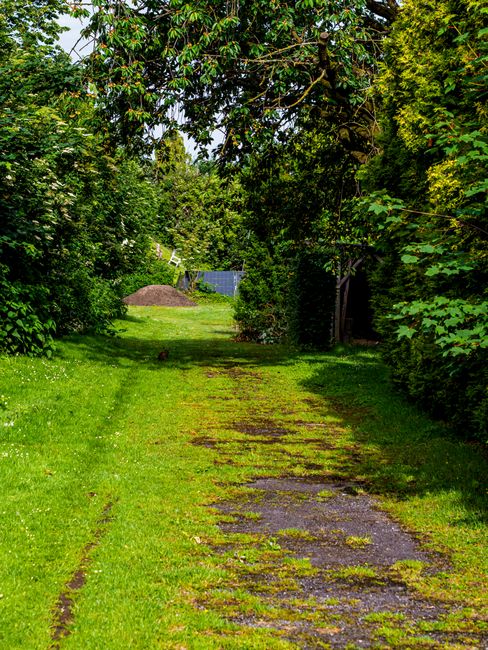
Garden clearance is usually a practical, step-by-step process. It starts with looking at the site, deciding what needs removing, and checking how waste will be handled. In many Hendon gardens, the first challenge is simply seeing what's there. Thick growth can hide broken fencing, unstable ground, old timber, or even leftover building materials from previous work.
A proper clearance normally includes some combination of:
- cutting back overgrowth
- lifting leaves, branches, and loose green waste
- removing unwanted garden debris
- sorting recyclable and non-recyclable material
- identifying items that need specialist handling
- preparing the garden for maintenance or redesign
The hard part is not the concept. It's the variability. One garden might have mostly leaf litter and hedge trimmings. Another might have ivy, old sleepers, broken ornaments, a rusted barbecue, and a section of soil saturated after a wet spell. Same general job, wildly different effort. That's where so many estimates go wrong.
If you want to understand the service from the ground up, it helps to look at the wider services overview and the dedicated garden clearance service. Even if you're not booking anything yet, it gives you a better sense of how the job is typically scoped.
Key Benefits and Practical Advantages
Once the common problems are handled properly, a garden clearance delivers more than a tidy look. It changes how the whole space feels and functions. You notice it immediately - the light comes back, you can walk the paths without doing that careful side-step dance, and the garden stops feeling like a chore waiting to happen.
Some of the most useful benefits are:
- Safer movement around the garden - fewer trip hazards, less slippery build-up, better visibility.
- Easier maintenance - mowing, hedge trimming, and general upkeep become manageable again.
- Better use of space - beds, borders, patios, and lawns become visible and usable.
- Improved pest control conditions - less damp waste and fewer hidden nesting spots.
- Stronger foundations for future work - whether that's planting, landscaping, or hard landscaping.
There's a quieter benefit too: clarity. Once clutter and growth are stripped back, you can finally see what needs attention and what can stay. That sounds small, but it often makes the next decision much easier. Should you preserve a mature shrub? Remove a rotten post? Rework the beds? You can't do that well when the garden is buried.
For gardens that need regular attention after clearance, it often makes sense to plan ahead with lawn mowing, hedge trimming, or even longer-term landscape gardening. Otherwise the cleared space can slip back quite quickly. Happens all the time, honestly.
Who This Is For and When It Makes Sense
Garden clearance is useful for a wide range of people, not just those dealing with an obvious jungle situation. In Hendon, it often makes sense for homeowners, landlords, letting agents, property managers, and anyone getting a garden ready for sale or rental. It's also common before renovation, after a long period of neglect, or following seasonal build-up after winter storms and leaf drop.
You may need a clearance if:
- the garden has become difficult or unsafe to use
- you cannot tell what plants are worth keeping
- waste has built up faster than you can manage
- old structures or debris are hiding under growth
- you want a clean starting point before redesigning the space
- you're preparing for regular upkeep rather than a one-off tidy
There's a difference between a light tidy and a full clearance. If the issue is just a few fallen branches and some grass growth, a standard maintenance visit may be enough. If the garden is dense, tangled, or full of mixed waste, that's a different beast entirely. Not all green waste is equal, and not all clearances should be treated like a quick sweep.
Some people also discover that nearby trees are contributing to the problem. In those cases, the work may need to be coordinated with tree lopping and removal to stop branches, shade, or leaf fall from undoing the clearance too quickly.
Step-by-Step Guidance
If you want fewer surprises, the best approach is to break the job down. Garden clearance becomes much more manageable when you treat it like a small project instead of one giant pile of green stuff.
- Walk the garden slowly. Look for trip hazards, hidden items, unstable surfaces, and anything that might need special attention.
- Separate obvious waste from living growth. Branches, soil, metal, timber, plastic, and plant matter should not all be tipped into one vague heap.
- Identify access points. Can waste be carried out easily, or will it need to be moved through narrow paths or side passages?
- Check for protected or valued planting. Some shrubs or trees may be worth keeping even if the rest of the garden is being cleared.
- Remove the bulky items first. Old pots, furniture, broken planters, and larger branches are easier to move before the smaller debris starts spreading everywhere.
- Deal with hidden issues. Once the top layer is gone, inspect for rot, damp patches, damaged edging, or old waste buried beneath growth.
- Finish with a clean-down. Rake, sweep, and leave the space ready for the next stage, whether that's maintenance or redesign.
A small but important point: don't rush straight into cutting back everything. You may end up removing healthy growth that could have been kept. In overgrown gardens, the first pass should be about understanding the site, not just attacking it with secateurs like a caffeinated raccoon.
Expert Tips for Better Results
After a while, you notice the same patterns again and again. Most clearance problems are avoidable if you work in the right order and pay attention to what the garden is telling you.
- Start with visibility. Remove loose waste first so you can actually see what's underneath.
- Use proper cutting tools. Dull tools tear growth rather than cut it cleanly, which makes the job harder and the finish messy.
- Check wet areas carefully. Damp ground can hide old edging, holes, or slippery patches.
- Work from the edges inward. That usually makes access easier and prevents you from walking over cleared areas repeatedly.
- Plan for waste separation. Green waste, timber, metal, and general rubbish should be handled differently where possible.
- Leave some jobs for follow-up. A full clearance does not always mean every problem should be fixed in one visit.
One practical observation: the best results usually come from thinking one step ahead. If a clearance exposes a broken fence panel, for example, it may make sense to deal with that before replanting. Same goes for damaged paving, poor drainage, or cracked borders. There's no point polishing the surface and ignoring the leak underneath.
Where gardens are likely to need ongoing care, a combination of clearance and garden maintenance is often far more effective than repeated emergency tidy-ups. It's calmer, cheaper in the long run, and less likely to become a yearly nightmare.
Common Mistakes to Avoid
The problems that cause the most frustration are usually simple ones. Not glamorous, just annoying. Let's face it, that's often how real jobs go.
- Underestimating the volume of waste. An apparently small garden can produce a huge amount of material once it's cut back.
- Ignoring hidden hazards. Broken glass, sharp metal, wasp activity, unstable edging, and concealed rubble all matter.
- Using the wrong disposal approach. Mixed waste can slow everything down and create avoidable costs.
- Cutting before planning. A quick trim without a proper look can make the real issues harder to spot.
- Forgetting access logistics. Narrow gates, long carries, and parked cars can turn a simple clearance into a labour puzzle.
- Leaving the garden half-done. A partially cleared garden often looks worse for a while and can attract more mess.
Another common mistake is treating every overgrown section the same. A hedge, a patch of ivy, and a pile of old clippings are three different tasks. They need different tools, different handling, and usually different patience levels. Quite a few, if we're honest.
Tools, Resources and Recommendations
You do not need a shed full of specialist equipment to handle every clearance, but the right kit makes the work safer and cleaner. Basic hand tools, cutting tools, gloves, and waste bags or containers are often the starting point. For larger jobs, wheelbarrows, rakes, cutting saws, and protective gear become more important.
If you are organising the work yourself, it helps to think in categories:
| Job type | Useful tools | Typical challenge | Best approach |
|---|---|---|---|
| Light tidy | Rake, gloves, pruning shears, sacks | Small items scattered across beds and paths | Quick sort and collect |
| Overgrown clearance | Brushed cutters, saw, secateurs, wheelbarrow | Dense growth and hidden waste | Clear in layers, not all at once |
| Heavy garden clearance | Protective equipment, stronger cutting tools, transport plan | Bulky waste, access issues, mixed debris | Use a structured, safety-first process |
For most people, the best recommendation is simple: if the garden contains a lot of waste, a lot of thorny growth, or anything you can't safely identify at first glance, treat it as more than a weekend job. That's where experienced help becomes useful. You may also want to review the company's pricing and quotes guidance so expectations are clear before any work begins.
And if you're the sort of person who likes to see the broader picture before deciding, the services overview is a sensible place to compare clearance with related work such as trimming, mowing, and landscaping.
Law, Compliance, Standards and Best Practice
Garden clearance is mostly practical work, but there are still standards and responsibilities to keep in mind. Waste should be handled responsibly, sharp or hazardous materials should be treated with care, and anything that could affect neighbours or shared spaces should be planned properly. If you are clearing a garden in a residential area, that matters more than people sometimes realise.
Good practice usually includes:
- sorting waste where possible instead of mixing everything together
- avoiding damage to fences, paths, drains, and nearby planting
- using suitable protective equipment for cutting and lifting
- checking for signs of unstable ground or hidden obstructions
- keeping the working area reasonably tidy during the job
If a clearance involves heavy items, awkward access, or more complex lifting, insurance and safety arrangements become more relevant. It is sensible to work only with providers who are clear about their approach to risk and site care. For extra reassurance, many customers like to review insurance and safety information and the health and safety policy before any major work starts.
There's also an ethical side to this. Responsible disposal and recycling are part of modern garden work, not an optional extra. If you want to know how that is approached, the page on recycling and sustainability is useful because it shows how much of the waste stream can be handled with a lighter environmental footprint.
Privacy and payment details matter too when booking work online, so it is never a bad idea to skim the site's privacy policy and payment and security notes if you want to understand how those basics are handled.
Options, Methods and Comparison Table
There is no single "best" way to handle garden clearance. The right method depends on time, budget, access, and how messy the site is. Sometimes a quick DIY tidy is enough. Sometimes it is absolutely not enough, and forcing it just creates more work later.
| Approach | Best for | Pros | Limitations |
|---|---|---|---|
| DIY light clearance | Small gardens with manageable waste | Low cost, flexible timing | Slow, tiring, easy to underestimate waste |
| DIY partial clearance | Mixed gardens where you can safely handle some of the work | Useful middle ground | Still requires planning and disposal effort |
| Professional clearance | Overgrown, heavy, awkward, or time-sensitive jobs | Efficient, safer, better waste handling | Higher upfront cost than doing it yourself |
For many Hendon homes, the decision comes down to scale. If the job is mostly green waste and a few stray items, you might manage. If there is dense growth, old rubbish, or a garden that has not been touched in months, a more structured clearance is usually the sensible route. No drama, just realism.
Case Study or Real-World Example
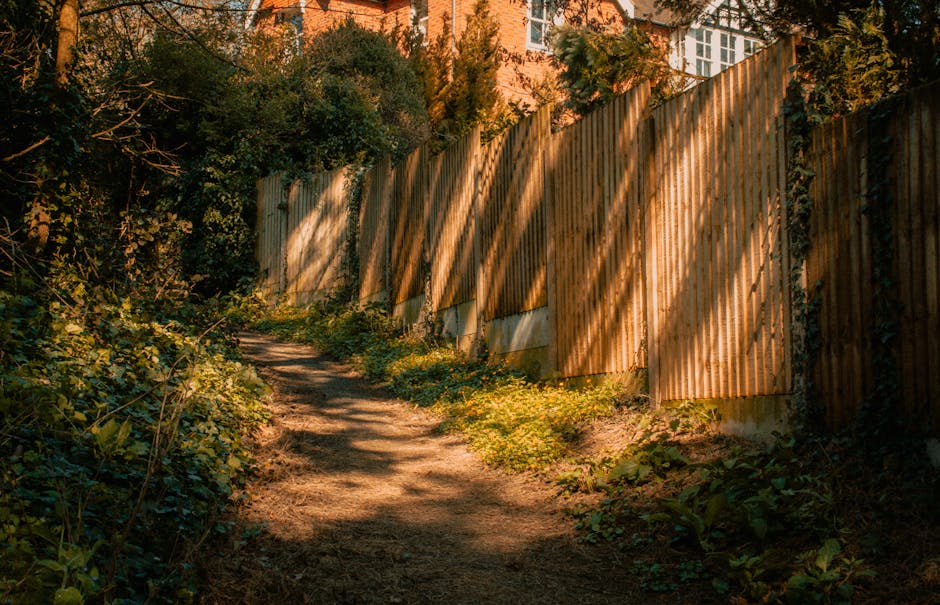
Picture a typical rear garden in Hendon after a wet winter: a narrow side return, long grass, ivy climbing a fence panel, a broken planter half buried in leaves, and a stack of old timber that no one quite remembers moving there. The owner thinks it's "just a bit overgrown." Then the first cut reveals a rusted frame, a few hidden stones, and a patch of slippery ground near the patio.
That kind of job is common. The clearance problem is not one issue, but several small ones layered together. First you clear the loose waste. Then you can see the structural issues. Then you decide whether to remove the ivy, repair the fence, or prepare the space for new planting. If the work had started with aggressive cutting, some of those hidden problems might have been missed.
In a case like that, the best result usually comes from slowing down for the first hour and sorting the garden into zones. One area for waste, one for keepers, one for items that need checking. It sounds obvious. It rarely feels obvious when you're actually in the garden with damp gloves and a bin bag that's already heavier than expected.
Practical Checklist
Before you begin, run through this checklist. It keeps the job tidy in your head, which is half the battle.
- Check the garden for hidden hazards before cutting anything back
- Decide what must be removed, what can be kept, and what needs specialist attention
- Confirm how waste will be separated and moved out of the garden
- Look at access routes, gates, and any narrow or awkward paths
- Make sure you have suitable gloves and protective equipment
- Plan the order of work: loose waste, bulky waste, then finer clearing
- Allow time for a final sweep or rake-down
- Consider whether the space will need follow-up maintenance or landscaping
- Review safety, insurance, and disposal arrangements if the job is large
- Leave the area ready for the next stage, not just "less bad"
If you'd rather hand the whole thing over, it helps to start a conversation early rather than waiting until the garden has become unmanageable. Small problems are easier to solve when they're still small. That sounds a bit like common sense, but it saves plenty of hassle.
Get a free quote today and see how much you can save.
Conclusion
The common problems with garden clearances in Hendon are usually not mysterious. They are the same handful of issues showing up in different forms: poor access, hidden waste, overgrowth, safety concerns, and underestimating how much work is really involved. Once you know what to look for, the job becomes far easier to plan and much less frustrating to carry out.
A good clearance creates breathing room. It helps you see the garden properly again, makes maintenance easier, and gives you a better base for any future work, from mowing to full redesign. And that first clean, open view of a garden after the mess has gone? It's genuinely satisfying. Quietly satisfying, but still. If your garden feels like it has got ahead of you, don't panic. With the right approach, it can be brought back under control.
Frequently Asked Questions
What are the most common problems with garden clearances in Hendon?
The most common problems are limited access, heavy waste, hidden debris, thorny or tangled growth, and underestimating how long the job will take. Gardens in built-up London areas can also have narrow side access and parking constraints, which slows everything down.
How do I know if my garden needs a full clearance rather than a tidy-up?
If you cannot easily walk through the garden, if waste has built up in layers, or if you cannot see the condition of the ground and borders, it is usually more than a basic tidy. A light maintenance visit may be enough for smaller jobs, but overgrown or cluttered gardens often need a full clearance first.
Can I clear an overgrown garden myself?
Yes, for smaller and safer gardens you often can. The key is to work slowly, wear protective gear, and separate waste properly. If the garden includes heavy debris, unstable ground, large branches, or items you cannot identify, it is better to stop and reassess.
Why does garden clearance take longer than people expect?
Because the visible mess is only part of the job. Once the top layer is removed, you often uncover hidden rubbish, roots, damaged structures, or damp areas that need attention. That extra layer is where the time disappears.
What should be removed during a garden clearance?
Usually, the job includes overgrowth, loose green waste, fallen branches, unwanted debris, and items such as broken pots or old garden materials. Some healthy plants may be worth keeping, so it is best to identify them before everything gets cut back.
What happens if the garden has damaged fencing or broken paving?
Those issues should be noted during clearance and dealt with separately if needed. Clearing the space first often reveals hidden damage that was not obvious before. That is actually useful, even if it is a bit annoying at the time.
Is garden clearance linked to ongoing maintenance?
Very much so. A clearance creates a clean starting point, but without regular maintenance the garden can quickly return to its previous state. Many people combine clearance with mowing, hedge trimming, and basic upkeep to stop the work from building up again.
How should garden waste be handled?
It should be separated where possible into green waste, timber, metal, and general rubbish. Responsible handling matters because mixed waste is harder to manage and can lead to unnecessary disposal issues.
Do I need to think about safety and insurance?
Yes, especially for larger clearances or jobs involving heavy lifting, sharp tools, or hidden hazards. It is sensible to work with providers who are clear about their safety approach and insurance arrangements.
Can a clearance help before landscaping work?
Absolutely. A cleared garden gives you a blanker canvas for redesigning paths, beds, planting, or other improvements. It is much easier to plan landscaping once the clutter and overgrowth are out of the way.
What is the best time of year for garden clearance in Hendon?
There is no single perfect time, but many people choose spring or early autumn because the weather is usually more manageable and the garden's condition is easier to assess. After winter, clearances often reveal hidden issues more clearly.
How do I avoid common mistakes during garden clearance?
Start with a proper survey of the space, clear in stages, separate waste sensibly, and do not rush into cutting back growth before checking what is underneath. That simple bit of discipline saves a lot of rework later.
For a calmer next step, you can explore the company's about us page or head straight to contact us if you want to talk through your garden's condition. A well-cleared garden can make a home feel lighter, almost immediately - and that's a lovely thing to get back.